Choosing furniture is no longer simply about filling an empty room. Modern homes need furniture that supports daily routines, makes good use of available space, complements the interior style, and remains practical over time. This is why working with experienced Furniture Manufacturers can make a meaningful difference when planning a home.
For homeowners in Pune, Maharashtra, furniture requirements can vary significantly depending on the property. A compact apartment may need space-saving storage, while a larger residence may have room for customized entertainment units, wardrobes, beds, dining furniture, and dedicated work areas.
Furniture Should Begin With How the Space Is Used
A visually attractive piece of furniture is not necessarily the right piece for a room. Before finalizing a design, it is useful to understand how the space functions throughout the day.
Consider questions such as:
- How many people regularly use the room?
- Is additional storage required?
- Does the furniture interfere with movement?
- Are electrical points or windows affected?
- Does the family need child-friendly or senior-friendly features?
- Will the room serve more than one purpose?
These practical considerations help determine dimensions, layouts, storage configurations, and materials.
Standard Furniture and Made-to-Fit Furniture Serve Different Needs
Ready-made furniture works well when standard dimensions suit the available space. It can also be convenient when immediate installation is required.
Customized furniture offers greater flexibility. A manufacturer can adapt dimensions according to wall lengths, ceiling heights, niches, columns, doors, and other site conditions. This becomes particularly useful in Pune apartments where efficient utilization of floor area is often an important consideration.
Customization can also help maintain a consistent design language across different rooms.
Material Selection Matters Beyond Appearance
Furniture materials influence durability, maintenance, weight, cost, and overall finish. Depending on the application, furniture may use plywood, engineered boards, laminates, veneers, solid wood elements, glass, metal, or combinations of these materials.
Rather than choosing purely on appearance, homeowners should evaluate:
Usage frequency: Frequently used furniture needs materials and hardware suitable for regular operation.
Moisture exposure: Kitchens and certain utility areas require careful material selection.
Maintenance: Some finishes are easier to clean than others.
Expected lifespan: Furniture intended for long-term use may justify greater attention to board quality, hardware, joints, and finishing.
Interior theme: Material colours and textures should coordinate with flooring, walls, lighting, and furnishings.
Good Furniture Planning Includes Ergonomics
Dimensions influence comfort. A television unit positioned incorrectly, an awkwardly high shelf, insufficient legroom at a desk, or poorly planned wardrobe depth can create everyday inconvenience.
Furniture manufacturers can work from actual site measurements and intended usage rather than relying solely on generic dimensions. This helps create appropriate proportions for seating, storage, work surfaces, and circulation.
Storage Can Be Integrated Without Making Rooms Feel Heavy
Storage is a major concern for many urban households. The answer, however, is not always to add more cabinets.
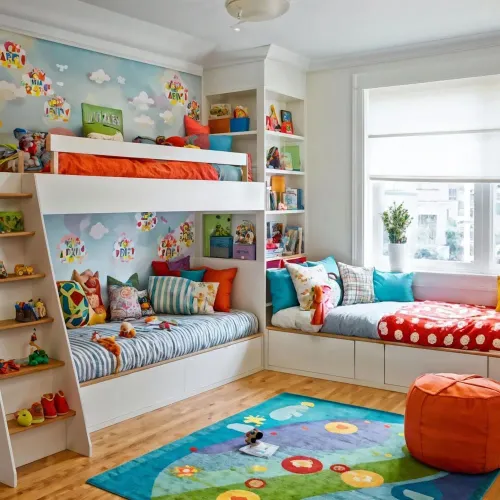
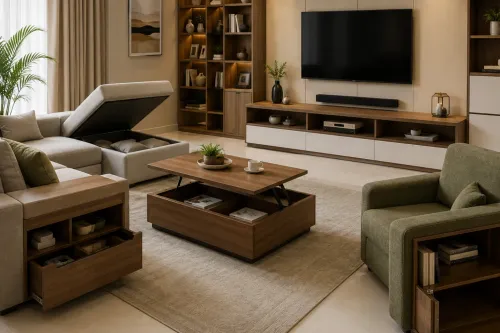
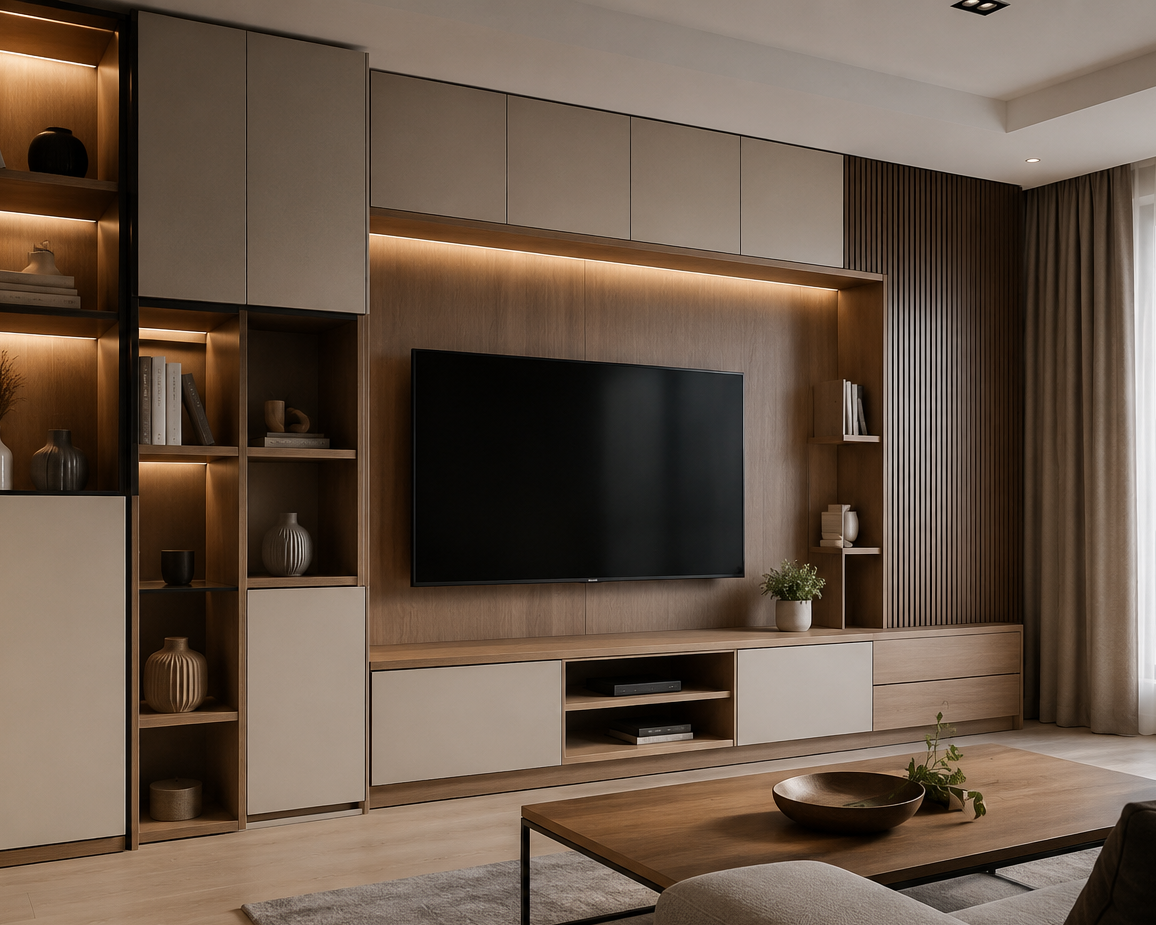
Thoughtful furniture planning can incorporate storage into beds, window-side units, wardrobes, television consoles, study areas, and other functional zones. Vertical storage can also make better use of wall height while keeping valuable floor area available.
In Pune, where homes range from compact urban apartments to larger residential properties, this approach allows furniture to respond to the actual dimensions of each property.
Manufacturers such as Classic Furniture Factory can support projects where furniture needs to be coordinated with specific room dimensions and interior requirements.
Well-planned furniture ultimately creates a balance between appearance, comfort, storage, movement, and everyday usability. Understanding these factors before selecting individual pieces helps homeowners create interiors that remain practical long after the initial installation.