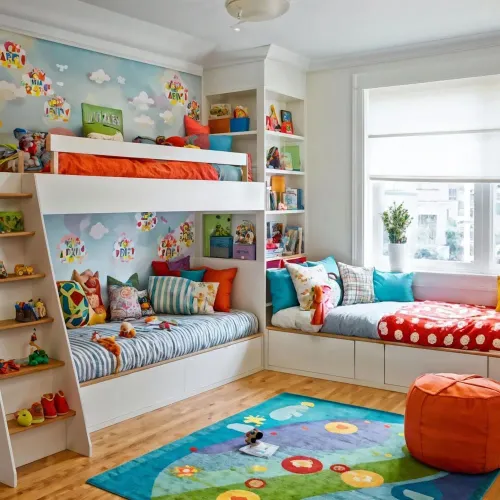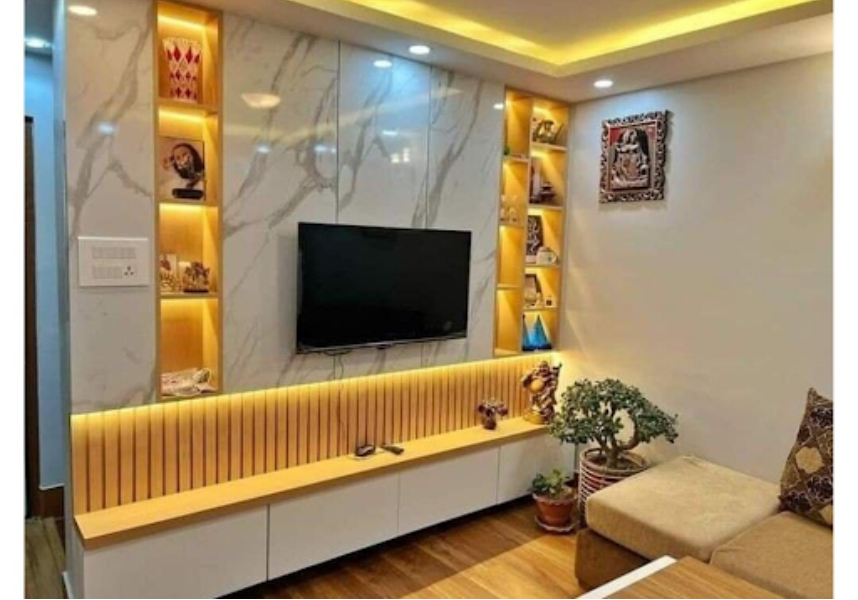
Modular furniture has become a practical choice for homes and workplaces because it combines organized construction with design flexibility. However, many customers are unfamiliar with what happens between sharing an initial requirement and seeing the finished furniture installed. Understanding the role of a Modular Furniture Manufacturer makes it easier to plan a project and make informed decisions.
In Pune, Maharashtra, modular furniture is commonly considered for apartments, villas, offices, kitchens, wardrobes, entertainment areas, and other spaces where efficient use of available dimensions is important.
The Process Starts With Requirement Planning
Good modular furniture begins with understanding what the customer actually needs.
For example, two bedrooms of similar size may require completely different wardrobes. One user may need more hanging space, while another may prefer drawers, shelves, accessory compartments, and overhead storage.
The manufacturer therefore needs information about:
- Available space
- Storage requirements
- Preferred appearance
- Daily usage
- Budget considerations
- Existing interior elements
- Desired accessories and features
This information forms the foundation of the design.
Accurate Measurements Are Essential
Modular furniture is designed around dimensions, so site measurements have a direct impact on the finished result.
Walls may not always be perfectly uniform. Columns, beams, skirting, electrical sockets, windows, doors, flooring levels, and other site conditions can influence furniture dimensions.
Careful measurement helps reduce installation problems and allows the design to account for actual conditions rather than theoretical room sizes.
Design Converts Requirements Into a Workable Layout
Once measurements and requirements are understood, the furniture layout can be developed.
At this stage, the focus should not be limited to colours and finishes. Internal functionality is equally important.
For wardrobes, this could involve deciding the ratio of hanging areas, drawers, shelves, loft storage, and accessories. For an entertainment unit, planning may include equipment storage, cable routing, display areas, and closed cabinets.
A modular design should make frequently used items easy to access while allocating less accessible areas to occasional storage.
Materials and Hardware Shape Everyday Performance
Boards and surface finishes receive significant attention because they are visible, but hardware also deserves careful consideration.
Hinges, drawer channels, handles, lift-up mechanisms, connectors, and other components influence how furniture feels during daily use.
Customers should understand which materials are being proposed, why they suit the application, and what maintenance they require.
Manufacturing Brings Consistency to the Design
After approval, individual furniture components are prepared according to the finalized dimensions and specifications.
A structured manufacturing process helps maintain consistency in cutting, edge finishing, drilling, alignment, and component preparation. The pieces are then assembled or installed according to the requirements of the project.
This method is particularly useful for projects involving multiple coordinated units.
Installation Completes the Process
Even well-manufactured furniture requires proper installation. Alignment, door adjustment, drawer operation, wall fixing, finishing details, and site cleanliness all influence the final experience.
A final inspection should check whether shutters open correctly, drawers move smoothly, gaps are consistent, surfaces are undamaged, and the furniture corresponds to the approved plan.
For customers considering modular solutions in Pune, Classic Furniture Factory works within this design-to-manufacturing category for residential and commercial furniture requirements.
Understanding the complete process helps customers evaluate modular furniture based on functionality, construction, materials, and installation rather than appearance alone.